Mobile Health Clinics in Bangladesh's River Islands
We are piloting mobile health clinics on remote Bangladesh river islands, using women entrepreneurs and subscription-based telemedicine to deliver maternal and child healthcare to isolated communities, building self-sustaining market systems independent of external funding.
On the remote islands of Lalmonirhat, seasonal floods isolate communities from the country’s formal health system. Healthcare services exist in distant facilities, but the infrastructure to deliver them at the last mile does not. Through Max Foundation’s Smart Mobile Child Care Clinics pilot, that gap is closing by building the market systems and community structures that will sustain access long after the pilot ends.
Where Healthcare Stops at the River
Nearly 2,000 people, including 182 children under five, live on Folimarir and Kharua chars (shifting land formations created by river sediment). During monsoon season, reaching health facilities takes hours. Families face prohibitive transport and treatment costs. The single community clinic lacks diagnostic tools. The district’s doctor-to-population ratio is 1:36,000, far below WHO standards.

Building Markets, Not Just Delivering Services
The pilot, launched with SK Foundation and Eco-Social Development Organization, demonstrates Max Foundation’s systems strengthening approach: build market infrastructure that makes maternal and child health services economically viable at community level.
Women entrepreneurs—not external staff—own and operate mobile clinics. They provide growth monitoring, diagnostics, and subscription enrollment. Through partnerships with Square Health Limited’s telemedicine platform, they connect families to qualified doctors remotely. Digital health records ensure continuity.
This creates a functioning market embedded in local economic structures. Entrepreneurs earn sustainable income. Families access affordable care through monthly subscriptions. The system continues after the pilot because it’s not dependent on external funding.
Evidence Informs Market Design
Comprehensive needs assessments across 365 households shaped the model. What do families need? What will they pay for? The evidence was clear: families wanted nearby health services and strongly preferred monthly subscription fees over unpredictable pay-per-visit costs.
This finding drove a fundamental design decision. Monthly subscriptions make care affordable for families while creating predictable income for entrepreneurs. The model works because it’s built on evidence of what communities will sustain.
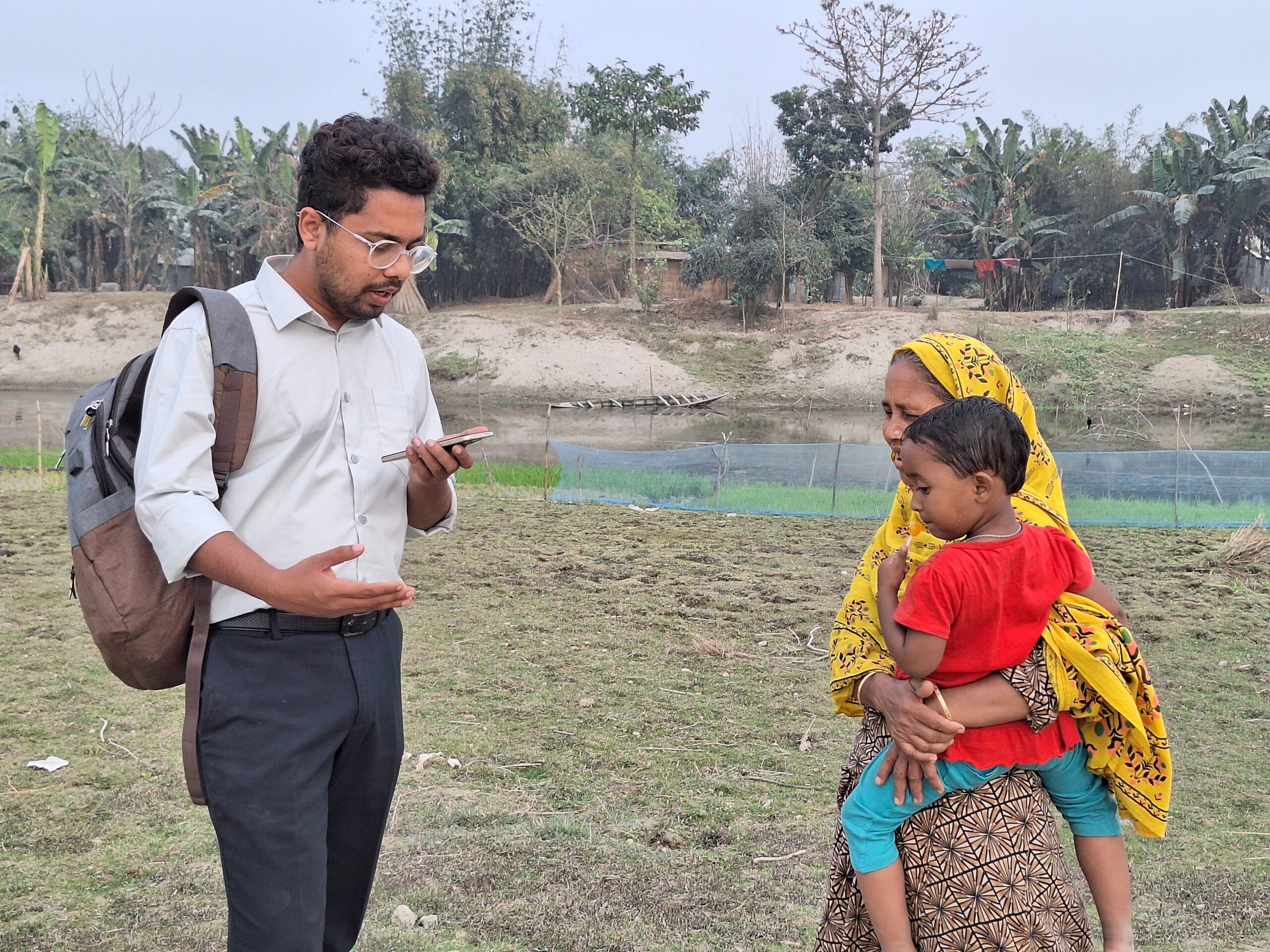
Stakeholder orientation workshop
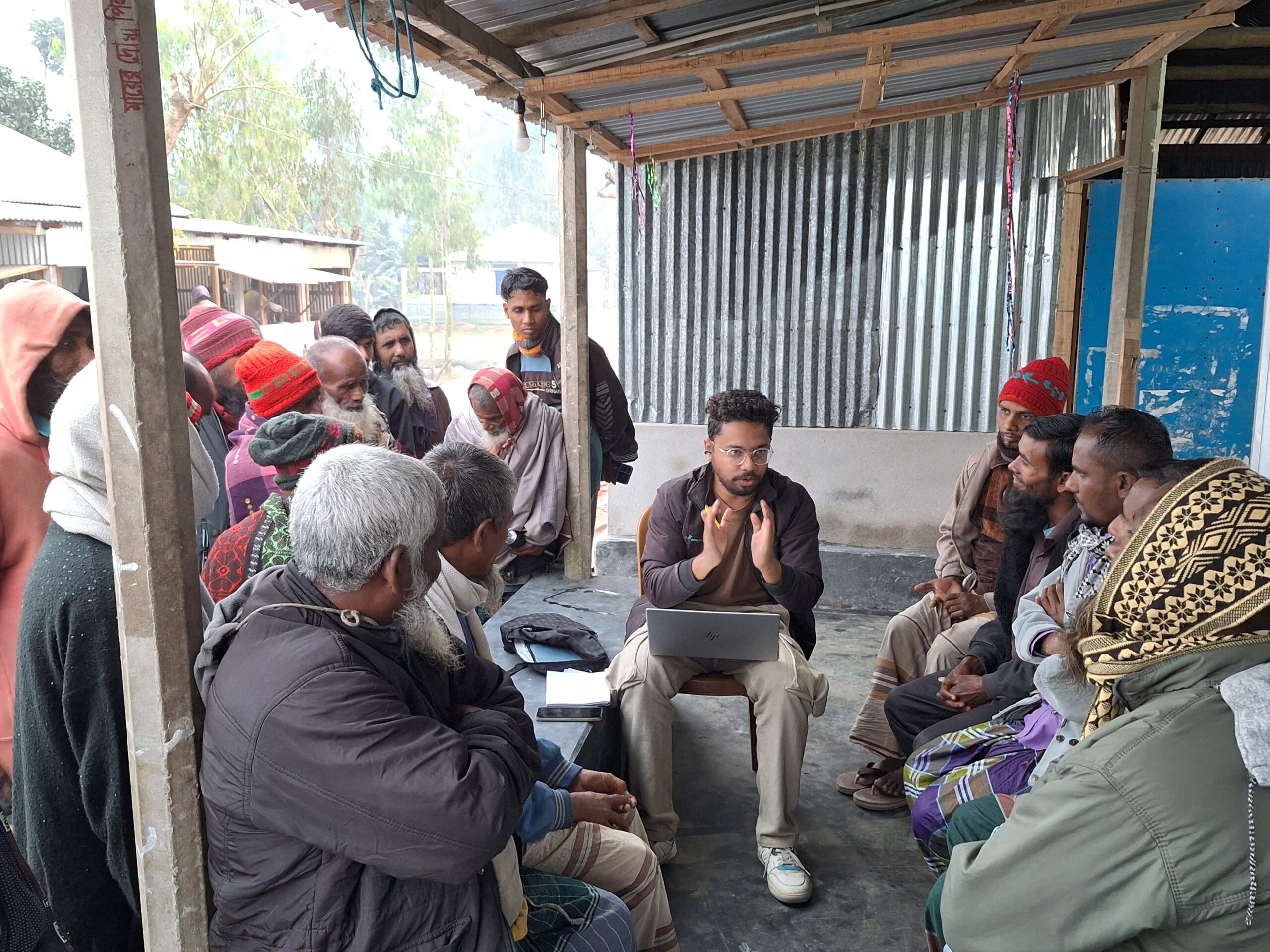
Community ignition session introducing the SMCC pilot
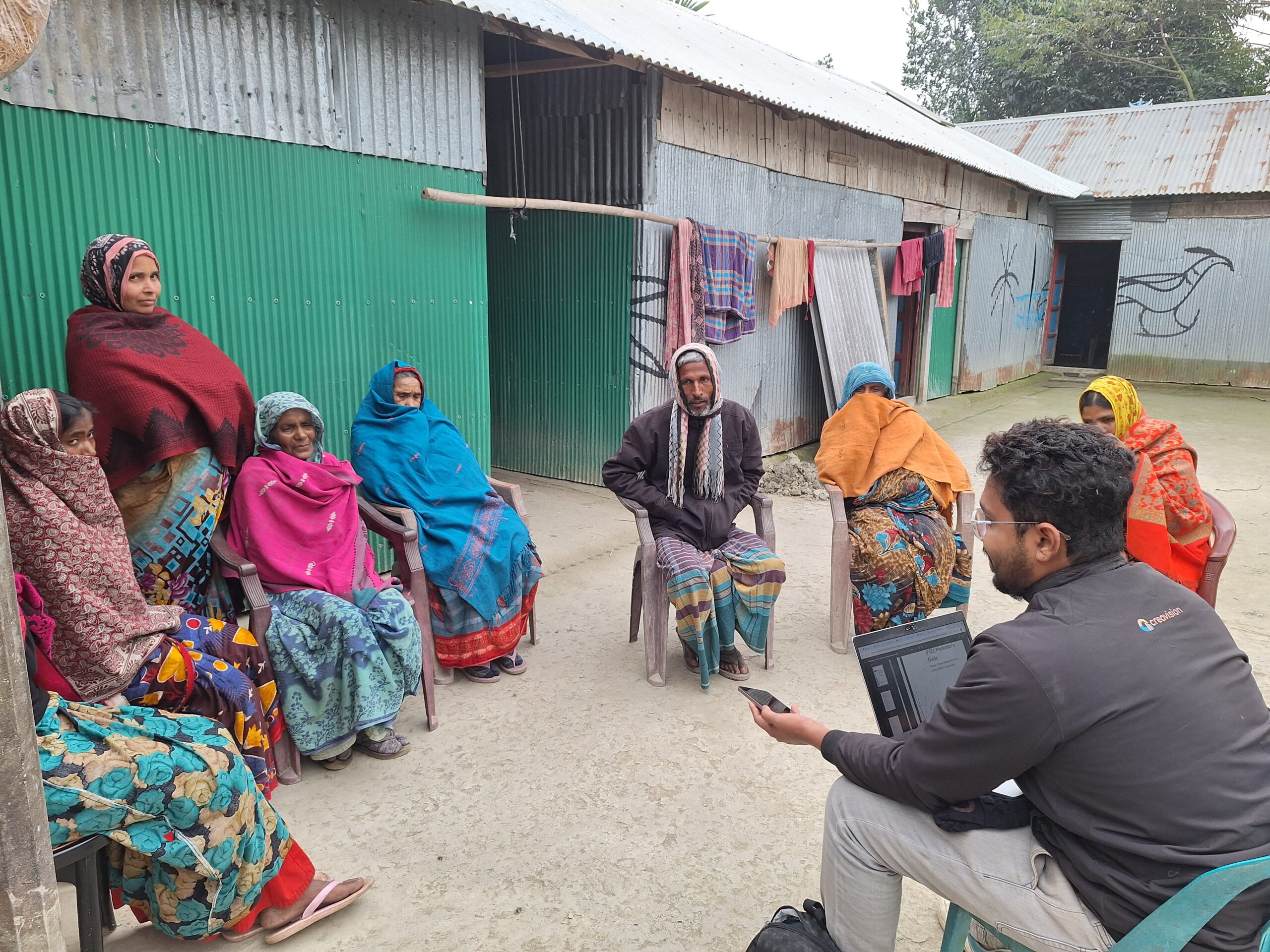
Household interviews conducted as part of the needs assessment
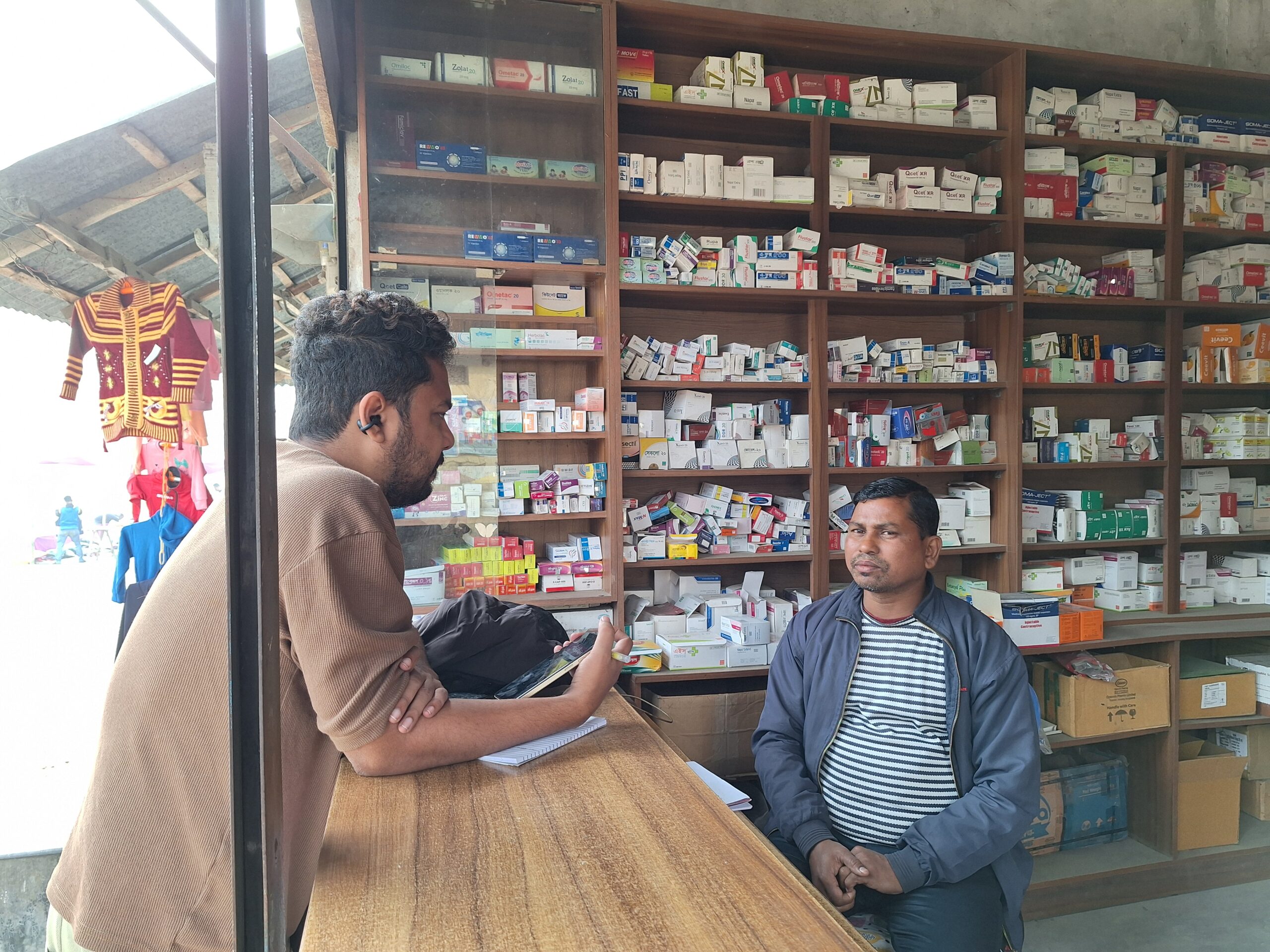
Key informant interview with community member
Women’s Leadership Strengthens Social Systems
Community sessions revealed households respond more positively when women entrepreneurs lead health discussions. This trust matters for sustained behavior change.
Positioning women as both business owners and health authorities challenges traditional gender norms while building the social capital essential for system strengthening. Women gain skills and income. Families gain providers who understand their constraints. The community gains a model that can continue independently.
Testing Systems for Scale
The preparatory phase established partnerships, protocols, and evidence systems needed to integrate mobile clinics into Bangladesh’s health infrastructure. Local government participated in inception workshops. Standard operating procedures aligned with national health standards. Referral partnerships connected entrepreneurs with facilities.
As operations begin in 2026, the pilot tests whether women’s entrepreneurship, digital health, and subscription financing can create a viable pathway for reaching isolated communities—one that governments and markets can sustain and scale.
This is Max Foundation’s approach in practice: build the system, generate the evidence, create conditions where healthy outcomes become the default. The chars may shift with the river, but the systems serving families need to endure.
Max Foundation’s Healthy Village Urban programme integrates WASH, nutrition, and maternal health interventions to address the interconnected causes of poor child health. The Smart Mobile Child Care Clinics pilot, implemented in partnership with SK Foundation and Eco-Social Development Organization, demonstrates this approach in Lalmonirhat district: strengthening market systems and government linkages so that essential health services become embedded in community economies and can function independently of external support.