Healthy Village Approach Integrated Into National Policy
Ethiopia's government has formally integrated the Healthy Village Approach into its national strategy to end child stunting.
In 2015, Ethiopia's government made a public commitment through the Seqota Declaration: to end stunting in children under two years of age by 2030. Stunting — when a child is chronically too short for their age due to malnutrition — affects millions of children in Ethiopia and has lifelong consequences for cognitive development, health, and economic opportunity. To pursue that goal, the government launched the Seqota Declaration, a national, government-funded programme that brings together nine sector ministries — health, agriculture, education, water, and others — to tackle the interconnected causes of child malnutrition at scale.
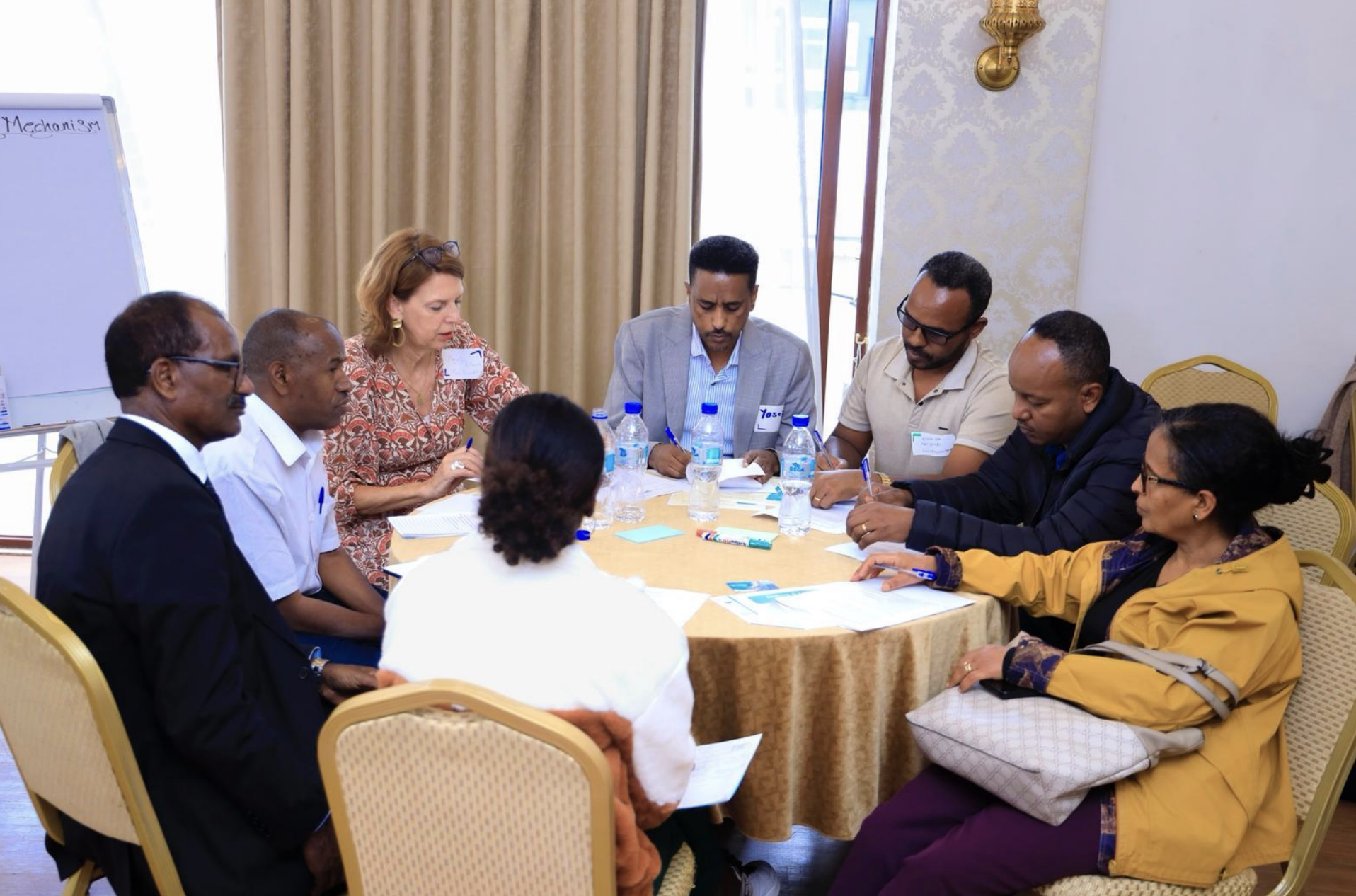
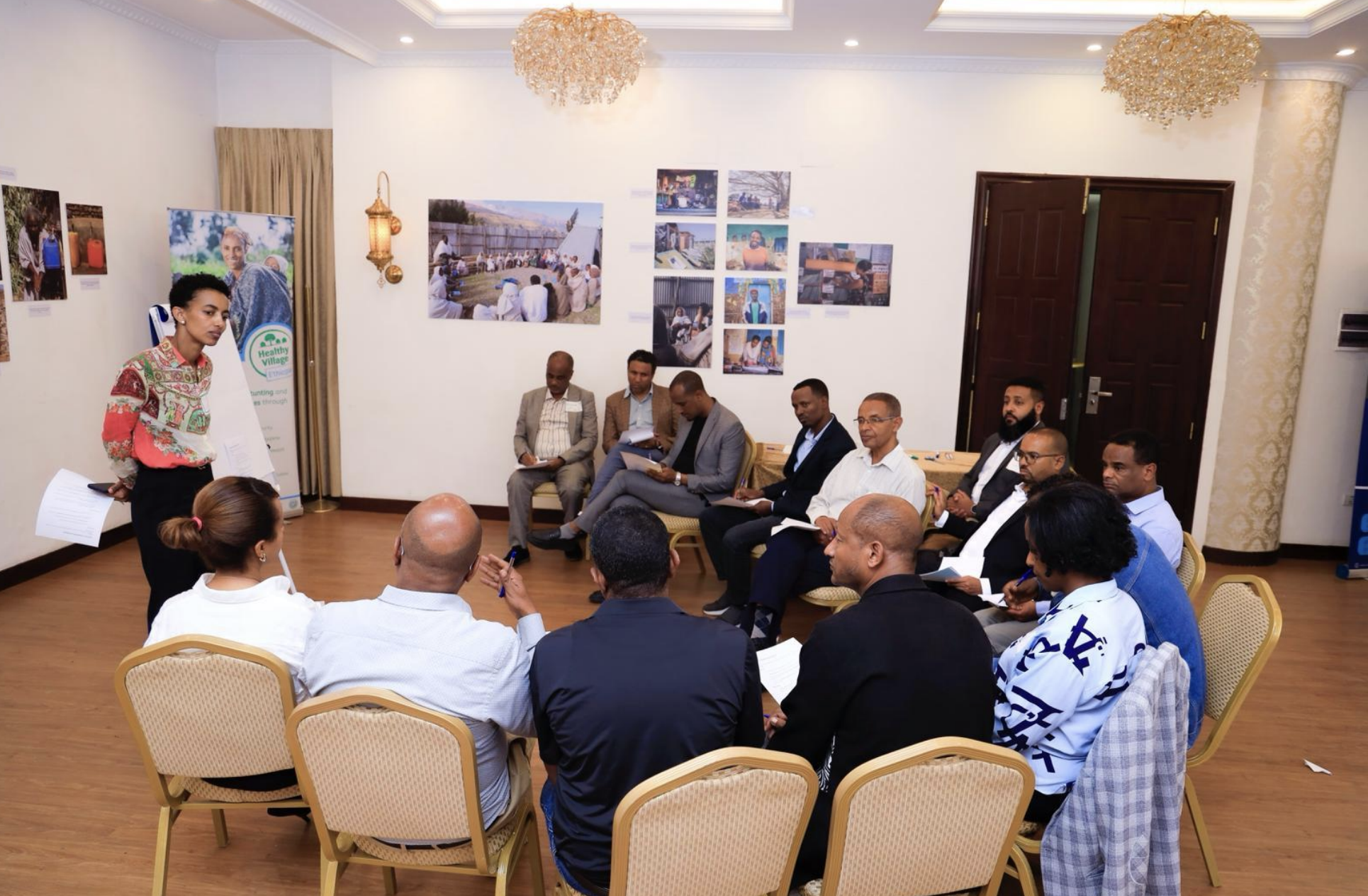
Through the Healthy Village Ethiopia programme, Max Foundation and Plan International have partnered with the Seqota Declaration since 2020, implementing the Healthy Village Programme across four districts (called woredas in Ethiopia) in the Amhara and Tigray regions. In 2024, the Seqota Declaration introduced the concept of the Malnutrition Free Village (MFV). In 2025, Max Foundation and the Ministry of Health's Seqota Declaration team undertook extensive discussions to draw lessons from both the Healthy Village Programme and the broader Seqota Declaration initiatives, which led to the development of the Malnutrition-Free Healthy Village (MFHV) hybrid model. This implementation guideline was initiated in 2025 and is expected to be finalized in 2026.
What the Healthy Village approach does — and how it became government policy
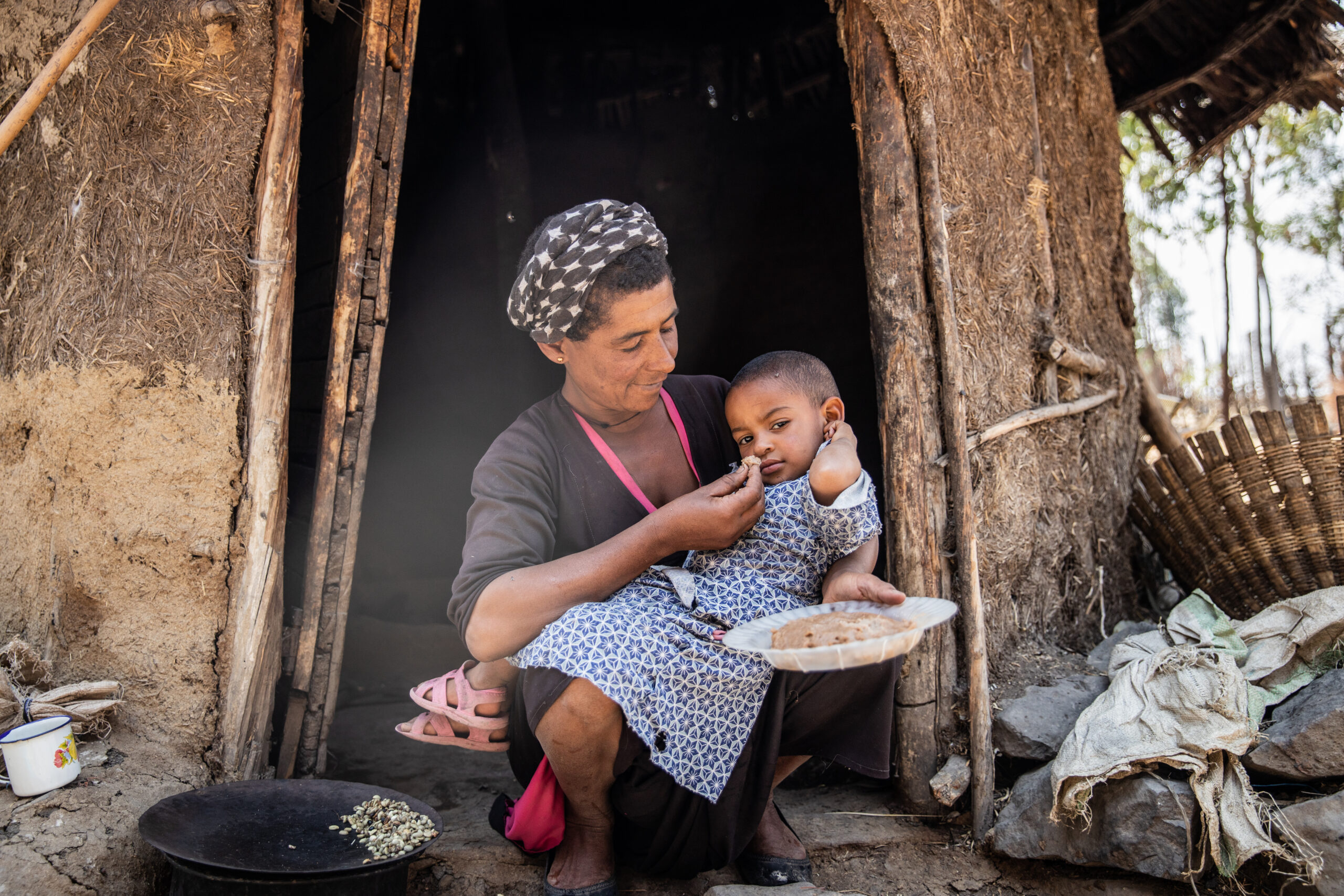
A mother feeding her child in one of the Healthy Village Programme communities, Amhara region.
The Healthy Village Programme works from a straightforward, evidence-based premise: child malnutrition cannot be solved by addressing nutrition alone. A child whose family lacks access to clean water remains at risk of diarrhoeal disease that undermines their nutritional status. A mother who receives nutrition counselling but has no food security cannot act on that advice. The Healthy Village approach therefore integrates Water, Sanitation and Hygiene (WASH), food and nutrition, and maternal and adolescent health — addressing the inter-related causes of stunting simultaneously rather than in isolation.
In Ethiopia, the programme was deliberately structured not as a parallel delivery system, but as a learning and influencing mechanism. We implemented and tested integrated interventions in communities in Amhara and Tigray, generating evidence, documenting what worked, and sharing that learning with government partners at every level — from village health posts to the federal Ministry of Health.
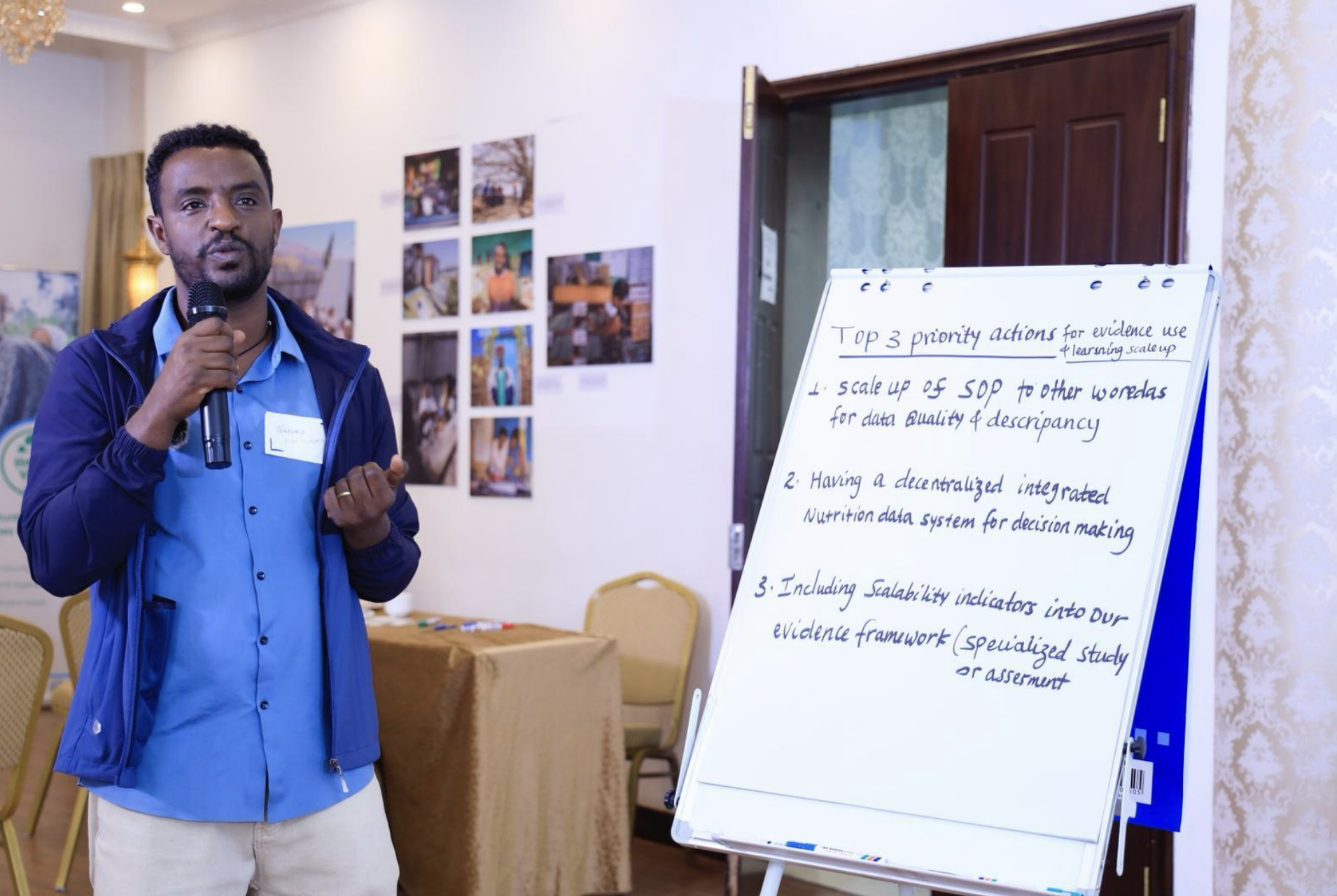
The Malnutrition-Free Healthy Village implementation guideline is the result of that sustained collaboration. It merges the government's own Malnutrition-Free Village model with the Healthy Village approach into a single national framework, positioning it as the primary vehicle for the Seqota Declaration's 2026–2030 scale-up phase across more than 1,300 woredas.
A digital innovation recognised at national level
One specific innovation from the Healthy Village Programme also received formal national recognition. In May 2026, at the Government of Ethiopia's national Digital Health Week celebration in Addis Ababa, the digitised community-based growth monitoring initiative — co-developed by Max Foundation and the Ministry of Health's Seqota Declaration team — was presented as the only innovation selected from the entire health sector.
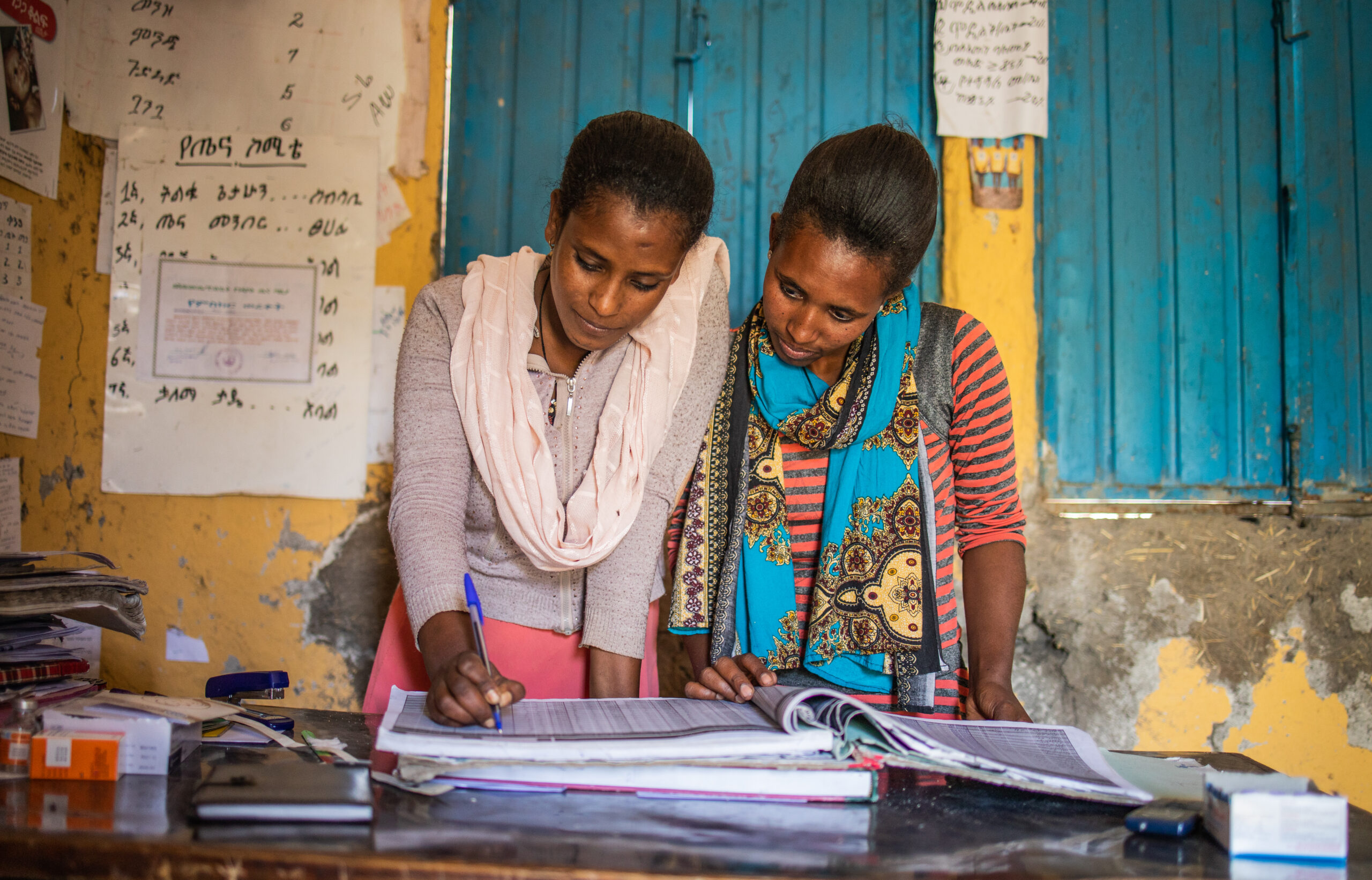
The initiative integrates length measurement — the key indicator for detecting stunting — into Ethiopia's national electronic Community Health Information System (e-CHIS). Previously, community health workers (called Health Extension Workers) recorded child growth measurements on paper at village health posts — data that was slow to aggregate and unable to trigger real-time responses. The digitised system allows Health Extension Workers to record weight and length measurements on a tablet, automatically generating growth charts, flagging children at risk, and feeding into a national dashboard that informs planning at district, regional, and federal levels.
Piloted across 26 health posts and six health centres in the Healthy Village Programme areas, the system has now been adopted by the Ministry of Health for replication across five regions and 37 woredas.
| Evidence from the field — Seqota Declaration innovation phase (2016–2020) | |||
| 15.5% reduction in stunting in Amhara |
18.5% reduction in stunting in Tigray |
109k cases of stunting averted |
1,031+ child deaths averted |
Looking ahead
The Seqota Declaration's scale-up phase targets more than 1,300 woredas — each containing multiple kebeles (the smallest administrative units in Ethiopia, roughly equivalent to village clusters), each served by health posts staffed by Health Extension Workers. When the MFHV framework and the digitised growth monitoring system travel through that infrastructure, they reach communities that no single external programme could reach independently.
Max Foundation continues as a technical partner to the national scale-up — supporting quality as the programme expands, testing further innovations at community level, and generating the evidence that a programme targeting 105 million people needs to keep improving.
"The integration of the Healthy Village approach into national policy is not a conclusion. It is the moment at which a strengthened system begins to carry the work forward on its own terms."
 |
 |
 |
 |
Read the full end publication which takes you through the full journey of how a five-year programme became national policy: Healthy Village Journey Publication