Can a Village Water Business Pay for Itself?
In one district in southern Ethiopia, 62 of the 92 hand pumps had stopped working. Not one of them was beyond repair. They were simply broken, and nobody's job was to fix them.
That is the problem at the heart of rural water. Wells get drilled, taps get installed, and a few years later a small part fails and the whole thing goes quiet. Across Ethiopia, somewhere between 30 and 40 per cent of rural water schemes are out of service at any moment. Families walk back to the stream.
Max Foundation, the Ethiopian water company WaterLife Construction and the funder P4G tried something different in the Sidama districts of Aleta Chuko and Shebedino. Instead of building anything new, WaterLife repaired 25 schemes that had already been abandoned — one of them for fifteen years — and then stayed on, paid to keep them running.

Water that used to take two hours to fetch now takes under thirty minutes. That part worked.
The harder question was the one underneath: can this pay for itself?
A village water shop,
in numbers
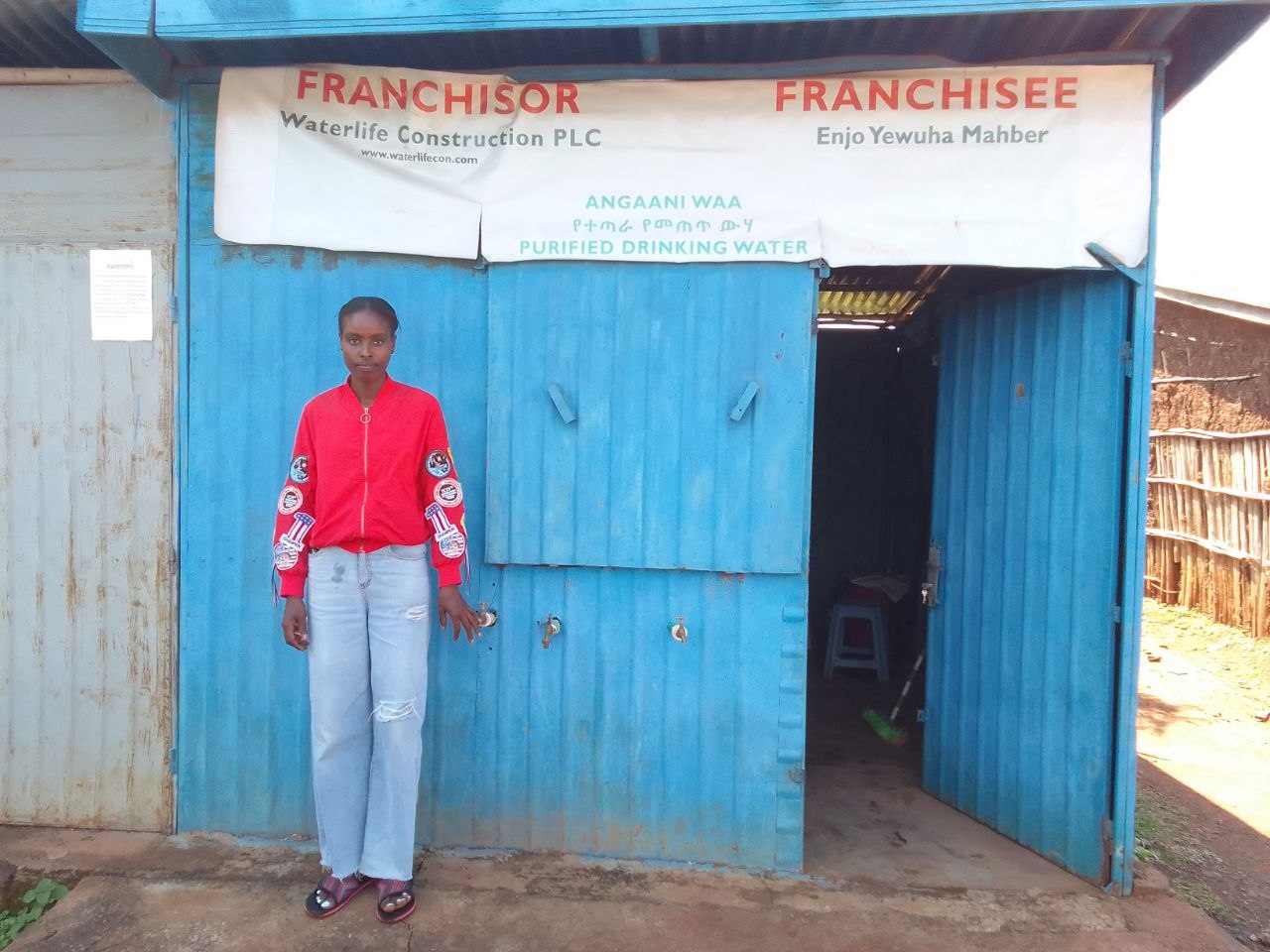
Alongside the repairs, five people in Shebedino set up a small water shop. They pump water from a borehole, clean it properly, and sell it at five birr per jerrycan. Every sale was written down. So for once, we know exactly what a village water business earns.
60,939
birr earned in eight months
22%
of that went straight on diesel
9,458
birr profit — about 1,180 a month
It made money. Just not much, and not safely. The generator that pumps the water runs on diesel, and diesel ate almost a quarter of everything the shop took in. When fuel shortages hit the country, the shop did not struggle on — it closed. Families went back to whatever the town supply was offering that week.
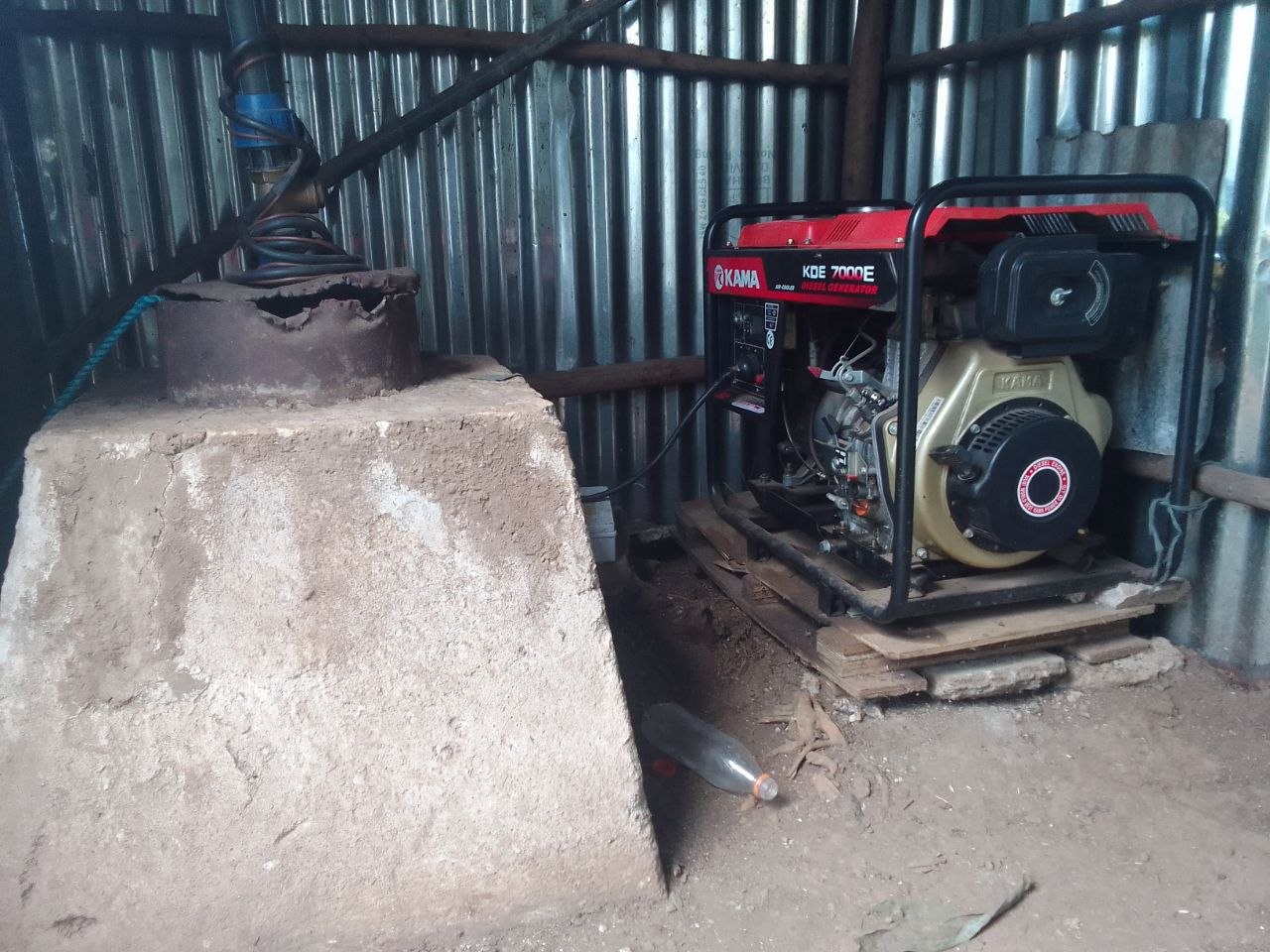
Solar panels are usually described as the green option. Here they are simply the difference between a business that survives and one that doesn't.
Three birr,
or five?
Then there is the part nobody in our sector likes to talk about.
A jerrycan of treated water from the kiosk costs five birr. A jerrycan of untreated water from the government tap costs three. When both are open, every household makes a choice.
Some choose quality. Mintewab buys from the kiosk because her daughter kept falling ill from the piped water, which runs muddy in the rainy season. She said she would pay ten birr if the shop reopened. Others are just as clear the other way. As Genet put it, most people are not willing to pay more — only those who are health-conscious buy from the kiosk.
“Since the government sells water at 3 birr per jerrycan, it is difficult for us to sell at 5 birr without losing customers.”Meseret Alemayew, kiosk operator, Shebedino
Both are right. Two birr is nothing to some households and decisive for others. And treating that as a matter of awareness misses the point — it is a matter of income.
It also means a private water shop isn't only competing on quality. It is competing with a price the state has chosen to subsidise. The kiosk was busiest when the town supply failed, and quietest when it recovered. A business that depends on the public system falling over is not one you can build on.
What people will
actually pay for
Here is the encouraging part. On the repaired hand pumps, the tension disappears.
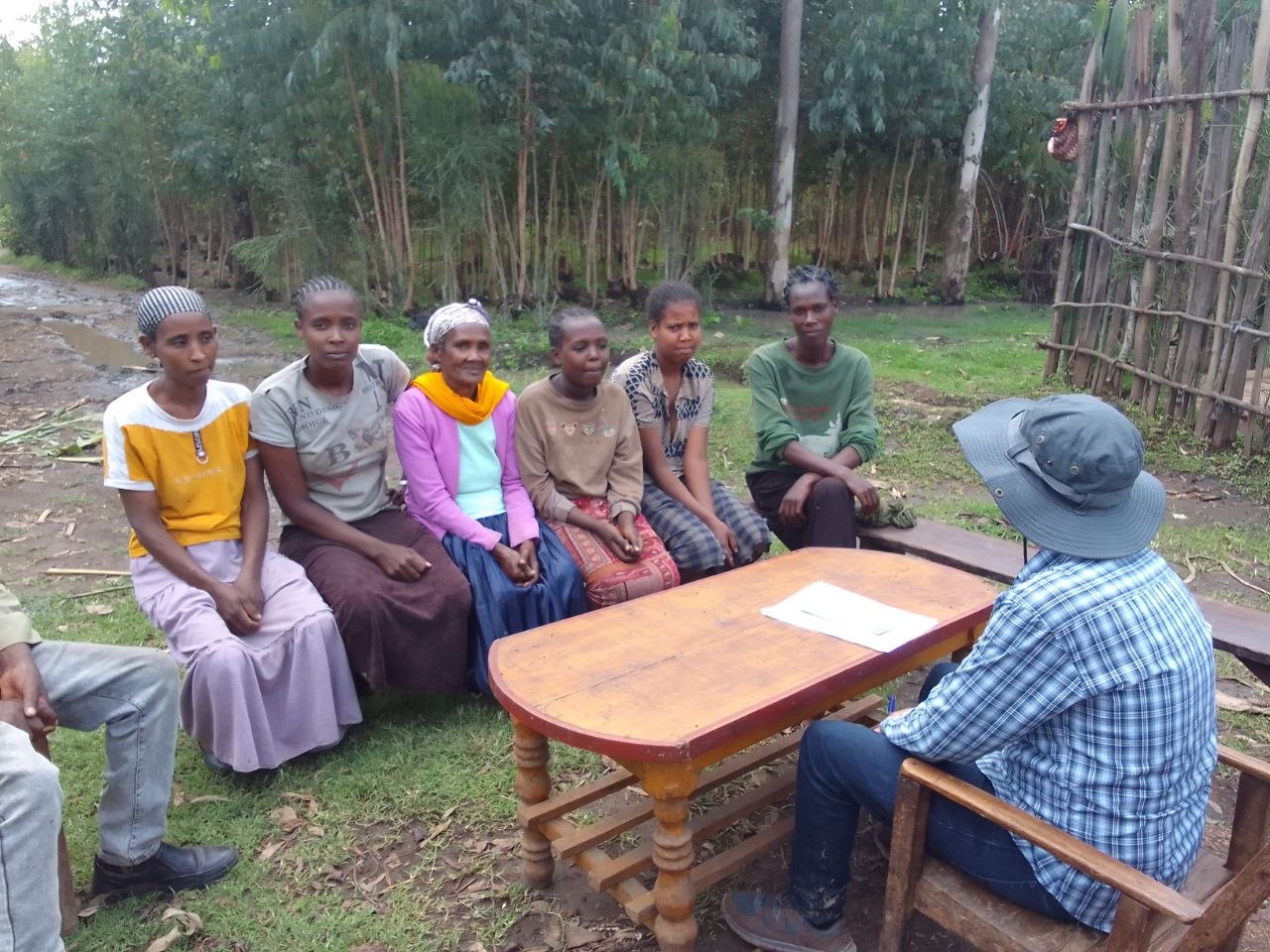
Households in Aleta Chuko put around 200 to 240 birr a year into a shared bank account for repairs and spare parts. Several said they would happily pay more — as long as the pump keeps working. They are not buying water. They are buying the certainty that it will still be there next month.
That, it turns out, is something people are willing to pay a private company for. And it points to where this model has the most room to grow.
Where we stand
Through this partnership, Max Foundation did not repair a single pump in Sidama. That is on purpose.
Our job was to help a small Ethiopian company become a business that a bank or an investor could take seriously — building its business plan, setting up the record-keeping that produced the figures above, opening doors at Awash Bank and Enat Bank, and getting WaterLife into the same room as the district and regional water offices.
WaterLife hasn't secured that investment yet. We would rather say so than pretend otherwise. What eight months of honest accounts give the company is something more useful than a good news story: they show exactly which problem to fix first.
And they leave a question that no single village can answer. If the state sells water below what it costs, and a private operator sells it at cost, someone has to decide how those two are meant to fit together. That decision sits with policy — and it will determine whether water services like this one can ever reach the millions of people still waiting.
Read more about the partnership here.
A partnership between